• dieng temple

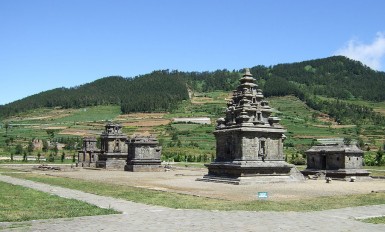
    Dieng Temple

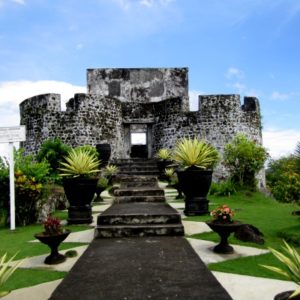
    Dieng temples is the group of 7th century Hindu temple compound located in Dieng Plateau, near Wonosobo, Central Java, Indonesia. These edifices originate from the Kalingga Kingdom. The plateau is home of eight small Hindu temples that are among the oldest surviving religious structure ever built in Java. The real name of the temple, the […]

    Read more »
  • cetha temple

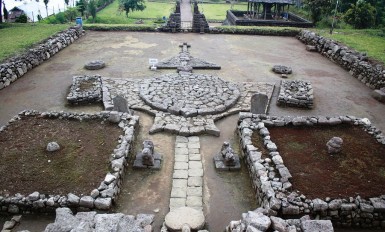
    Cetha Temple

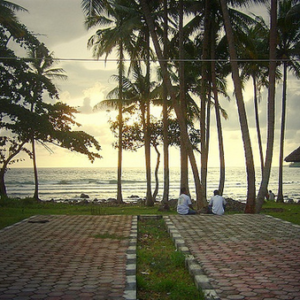
    The temple is located in Hamlet Cetha Cetha, Gumeng Village, District Jenawi, Karanganyar, Central Java Province. Cetha temple is one of the temples were built in the days of the Majapahit Empire, during the reign of King Brawijaya V. It is said that the name Cetha, which in Javanese means obvious, is used as the […]

    Read more »
  • banyuniba temple

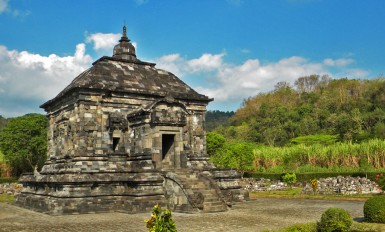
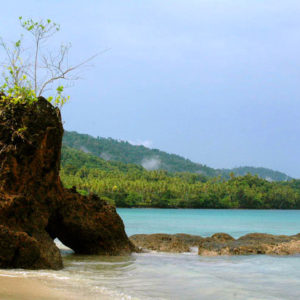
    Banyuniba Temple

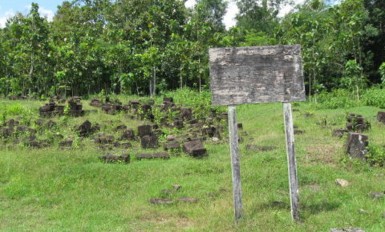
    Banyuniba temple is located south of the village of Cepit, Bokoharjo village, Prambanan subdistrict, Sleman. It is located about 200 m from the Barong, approximately 1 km southwest highway Yogya-Solo. This Buddhist temple stood facing west, alone on the farm. About 15 m in front of the temple flows a small river. At the time […]

    Read more »
  • kedulan temple

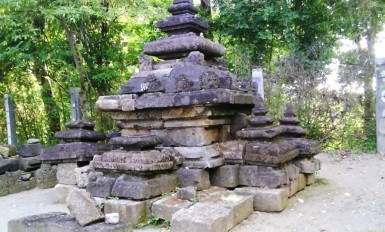
    Kedulan Temple

    Kedulan which is located in the village Tirtomartani, Kalasan, Sleman, Yogyakarta, about 2.5 km from the temple Sambisari.Candi is currently in the process of excavation and reconstruction, because when discovered, buried under the ruins of the temple in a state of soils derived from G. Merapi lava. The main building Kedulan discovered on 24 November […]

    Read more »
  • selogriyo temple

    Selogriyo Temple

    On the eastern slopes of the foothills of Mount Sumbing, stands the centuries-old temple is Temple Selogriyo. The temple is located in a remote location of the settlement, and hidden among the hills Giyanti, Condong and Malang. Selogriyo temple stands majestically stands in the hamlet Campurrejo, Village Kembangkuning Windusari subdistrict, Magelang. It is said that this […]

    Read more »
  • sewu temple

    Sewu Temple

    Sewu is an 8th-century Mahayana Buddhist temple located 800 meters north of Prambanan in Central Java. Candi Sewu is actually the second largest Buddhist Temple in Indonesia after Borobudur. Candi Sewu predates nearby “Loro Jonggrang” temple. Although originally only around 249 temples are present, the name in Javanese translates to ‘a thousand temples,’ which originated […]

    Read more »
  • sambisari temple

    Sambisari Temple

    Sambisari is a 9th-century Hindu temple located at Sambisari hamlet, Purwomartani village, Kalasan, Sleman regency, Yogyakarta, Indonesia. The temple was buried about five metres underground.[1] Parts of the original temple have been excavated. The temple is located about 8 km east of Yogyakarta near Adisucipto International Airport. The temple was accidentally discovered in July 1966 […]

    Read more »
  • mendut temple

    Mendut Temple

    The small Buddhist Mendut Temple in Central Java forms an inseparable part of a pilgrim’s progress to the mighty Borobudur temple. Serving as an introductory portal before ascending the Borobudur temple, Mendut has an array of narrative reliefs and most important Buddha statues that spiritually prepare pious pilgrims and the general visitors for their journey […]

    Read more »
  • borobudur temple

    Borobudur Temple

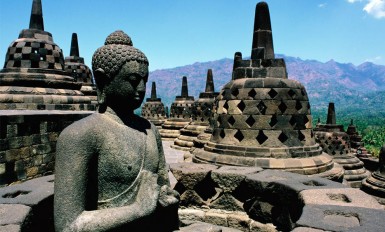
    The magnificent Borobudur temple is the world’s biggest Buddhist monument, an ancient site widely considered to be one of the world’s seven wonders. Built in the 9th century during the reign of the Syailendra dynasty, the temple’s design in Gupta architecture reflects India’s influence on the region, yet there are enough indigenous scenes and elements […]

    Read more »
  • prambanan temple

    Prambanan Temple

    As the largest Hindu temple in Southeast Asia, the beautiful and graceful temple of Prambanan is a magnificent spectacle and an icon of Indonesia’s cultural heritage. Located not far from the Buddhist Borobudur temple, the proximity of the two temples tells us that on Java, Buddhism and Hinduism lived peacefully next to one another. Prambanan […]

    Read more »
Back to Top